Our Mission
DIMLE advances media literacy education so that people can more effectively analyze, evaluate, interpret, create, and responsibly engage with media messages across changing communication environments. Through education, research, resources, and partnerships, we seek to strengthen critical thinking, informed citizenship, social responsibility, and positive social change.
Our Vision
We envision a world in which people possess the knowledge, skills, and judgment to participate thoughtfully and responsibly in an increasingly complex global information environment.
Our Story
DIMLE's roots extend to 2013 and the Digital International Media Literacy eBook Project, an initiative that explored media literacy through international participation and perspectives. By 2015, a contemporaneous scholarly account reported approximately 40 international editions associated with the project. This early work reflected an idea that continues to inform DIMLE today: understanding media is both a local and global challenge, and media literacy benefits from perspectives that extend beyond any single community or communication environment. That foundation has evolved into DIMLE's broader commitment to media literacy education, educational-resource development, community engagement, research and publication, and partnerships that can expand access to media literacy learning.
Media Literacy Across a Lifetime
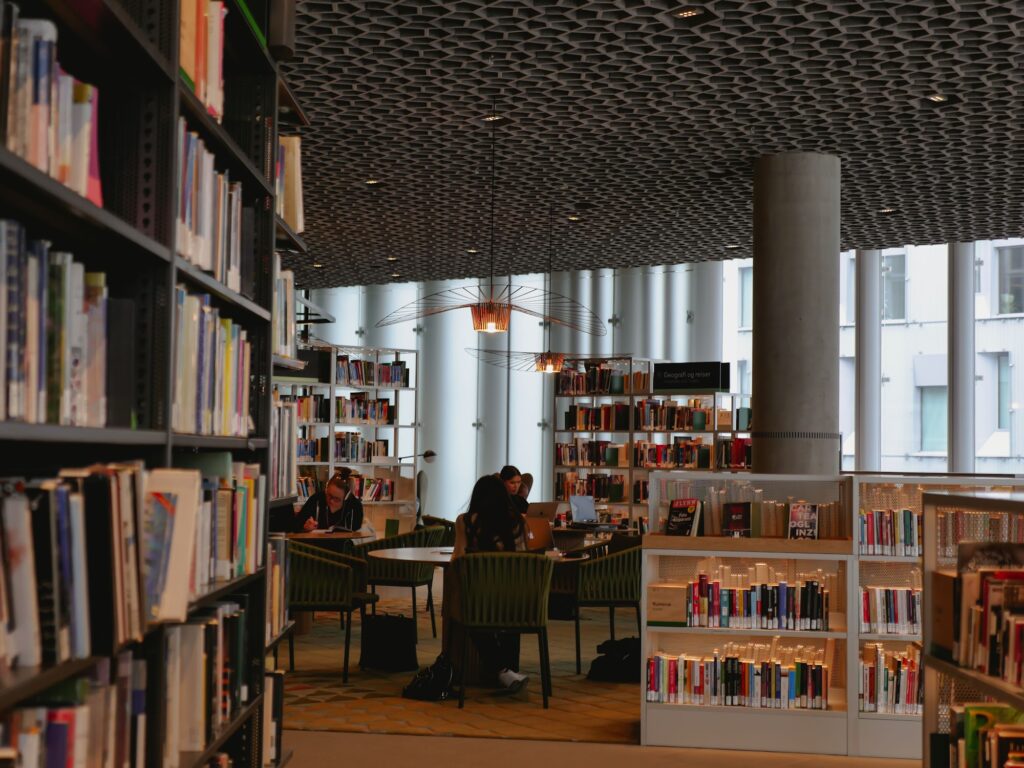
Media literacy is sometimes associated primarily with students or classrooms. DIMLE takes a broader view. Children encounter media before they can fully evaluate it. Students move through increasingly complex information environments. Adults encounter media in their personal, professional, and civic lives. Older adults continue to navigate changing technologies and communication practices. For that reason, DIMLE approaches media literacy as a lifelong practice. Our work is intended to support learners and educators from elementary school through higher education, adults and families, older adults, libraries and community organizations, media and educational organizations, and members of the public who want to strengthen their ability to understand and evaluate media and information.
Critical Thinking, Not Prescribed Thinking
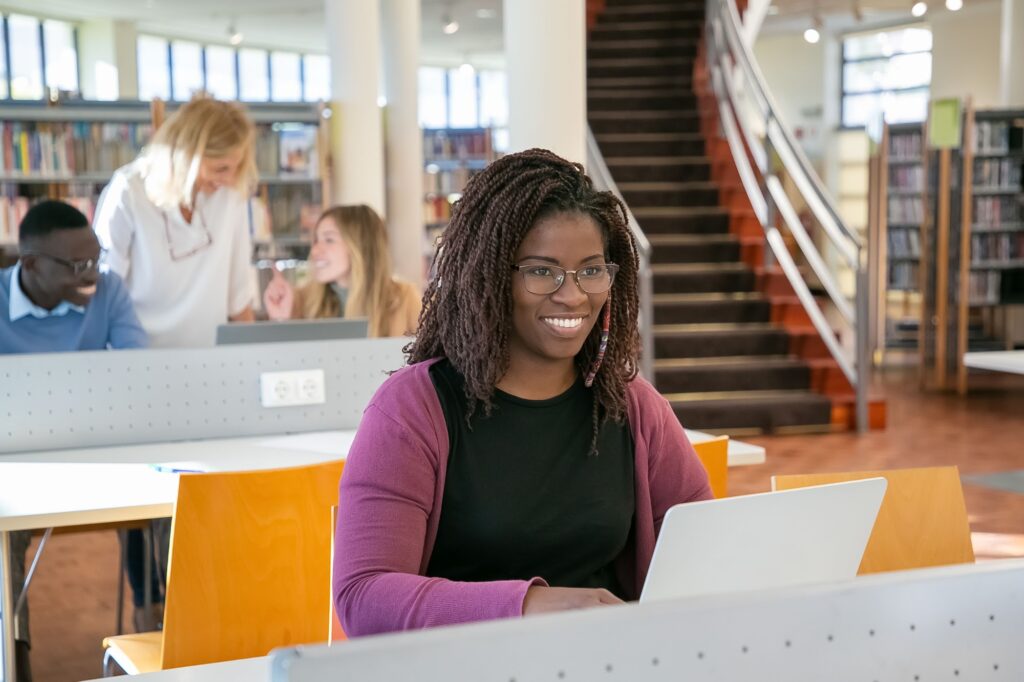
DIMLE's purpose is not to tell people what conclusions they should reach. Media literacy provides tools for asking better questions, examining sources and evidence, recognizing context and perspective, understanding how messages are constructed, and reflecting on how media can influence individuals and communities. People may examine the same message and reach different conclusions. What matters is developing the capacity to make those judgments thoughtfully, responsibly, and with attention to evidence.
Responding to a Changing Media Environment
The media environment continues to evolve. Traditional mass communication now exists alongside social media, digital platforms, algorithmic recommendation systems, synthetic media, and artificial intelligence. Technologies may change, but the need to ask thoughtful questions about sources, messages, evidence, purpose, context, representation, and responsibility remains. DIMLE connects established principles of media literacy with the challenges and opportunities created by emerging forms of communication.
Education Through Connection
DIMLE's work brings together education, resources, research, community engagement, and partnership.
Learners and Materials
We seek opportunities to connect learners with useful educational materials, educators with resources that support inquiry, communities with opportunities for media-literacy learning, and organizations with possibilities for collaboration.
Our Consistent Objective
Across these activities, the objective remains consistent: helping people develop the habits of inquiry and thoughtful human judgment needed to engage responsibly with media and information.