Media Literacy in Everyday Life
Media literacy becomes especially meaningful when it connects with the decisions and experiences people already encounter. A community member might compare news coverage of a local issue. A family might discuss information encountered on social media. An older adult might evaluate an unfamiliar digital message or online source. A library visitor might need to determine whether information found online is credible. An organization might consider how it communicates information clearly and responsibly to the people it serves. Different situations raise different questions, but the underlying habits remain useful: identify the source, examine the evidence, understand the purpose, consider context and perspective, and reflect before accepting, sharing, or acting on a message.
Libraries as Learning Spaces
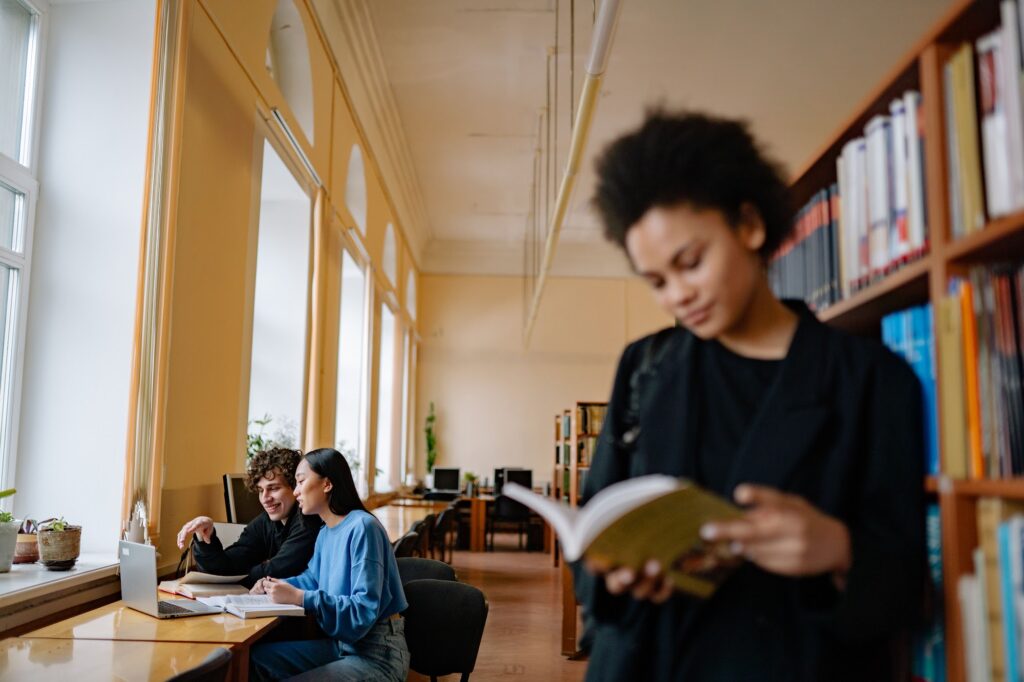
Libraries are natural settings for media-literacy learning. They connect people with information, technology, educational resources, and opportunities for lifelong learning. They also serve people with different backgrounds, ages, interests, and levels of digital experience. Media-literacy activities in library settings can encourage participants to compare sources, investigate claims, examine images and other media, explore emerging technologies, and practice evaluating information in a supportive environment. DIMLE welcomes opportunities to explore how media-literacy resources can support libraries and the communities they serve.
Families and Intergenerational Learning
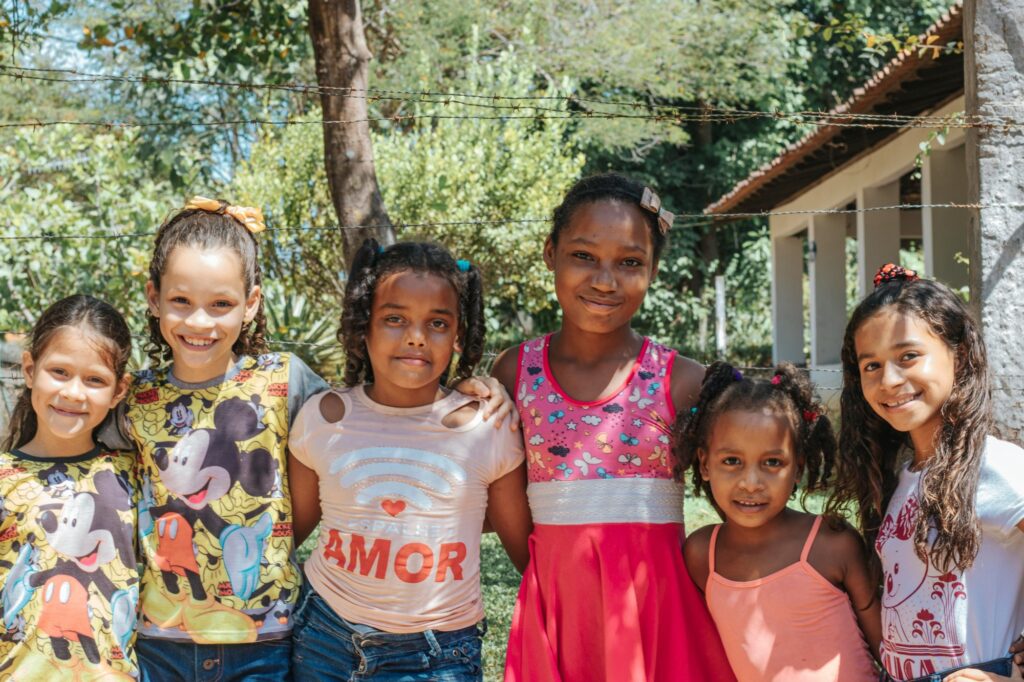
Media habits often develop and change within families. Children, parents, grandparents, caregivers, and other family members may use different platforms and encounter different types of media, but they can also learn from one another. Intergenerational media literacy can begin with conversation: Where did this information come from? Why do we trust—or question—this source? What should we verify? Why might this message appear in one person's feed but not another's? How do we decide what is appropriate to share? What can younger and older generations teach one another about their media experiences? The objective is not surveillance or control. It is communication, curiosity, shared learning, and more thoughtful decision-making.
Lifelong Learning and Older Adults
Media literacy remains important throughout adulthood. Changing technologies can alter how people receive news, communicate with family and friends, access services, encounter advertising, search for information, and participate in their communities. Older adults bring decades of knowledge and experience to these environments. At the same time, rapidly changing platforms, artificial intelligence, synthetic media, and evolving digital practices can create new questions for everyone. DIMLE's approach treats older adults as participants in lifelong learning—not as a population defined by technological deficiency. Media literacy can provide opportunities to build on existing knowledge while developing new strategies for evaluating changing forms of media and information.
Community Organizations
Nonprofits, civic organizations, cultural institutions, educational organizations, and other community groups frequently communicate information to and with the public. Media literacy can support these organizations in two ways. First, organizations can help their communities develop stronger habits for evaluating and understanding media. Second, organizations themselves can consider how purpose, evidence, representation, accessibility, audience, and context affect the messages they create. Media literacy therefore supports both responsible reception and responsible communication.
Media and Educational Organizations
Organizations involved in communication and education occupy an important position in the media environment. Media organizations create and distribute messages that can reach broad audiences. Educational organizations help people develop the knowledge and skills they use to interpret those messages. DIMLE is interested in constructive relationships that can expand opportunities for media-literacy learning while preserving the importance of inquiry, evidence, context, responsible communication, and independent human judgment.
Community Inquiry
Community media literacy does not require everyone to agree. A productive learning environment allows participants to ask questions, examine evidence, compare sources, consider different perspectives, identify uncertainty, and explain the reasoning behind their conclusions. The DIMLE Learning Cycle can support that process:
- Observe
- Question
- Analyze
- Evaluate
- Interpret
- Create
- Reflect
The cycle can be adapted to a library discussion, family conversation, community workshop, organizational learning activity, or independent inquiry. The setting may change. The commitment to thoughtful examination remains.
Building Media-Literate Communities
A media-literate community is not one in which everyone reaches identical conclusions. It is one in which people have greater opportunities to ask informed questions, evaluate evidence, understand context, communicate responsibly, and reconsider conclusions when better information becomes available. DIMLE seeks to contribute to that capacity through education, resources, community engagement, and partnership.