For Students
Being media literate means doing more than finding information. Students can learn to ask: Who or what created this message? What is its purpose? What evidence supports its claims? How has the message been constructed? What perspectives are represented or missing? How might different audiences interpret it? What should I verify before accepting or sharing it? What responsibilities do I have when creating media myself? These questions can be applied to many forms of communication—from books, photographs, advertisements, news, and entertainment to websites, social media, video, podcasts, search results, and AI-generated content. The objective is not to become suspicious of every message. It is to become more thoughtful about how messages are understood, evaluated, and used.
From Media Consumer to Media Creator
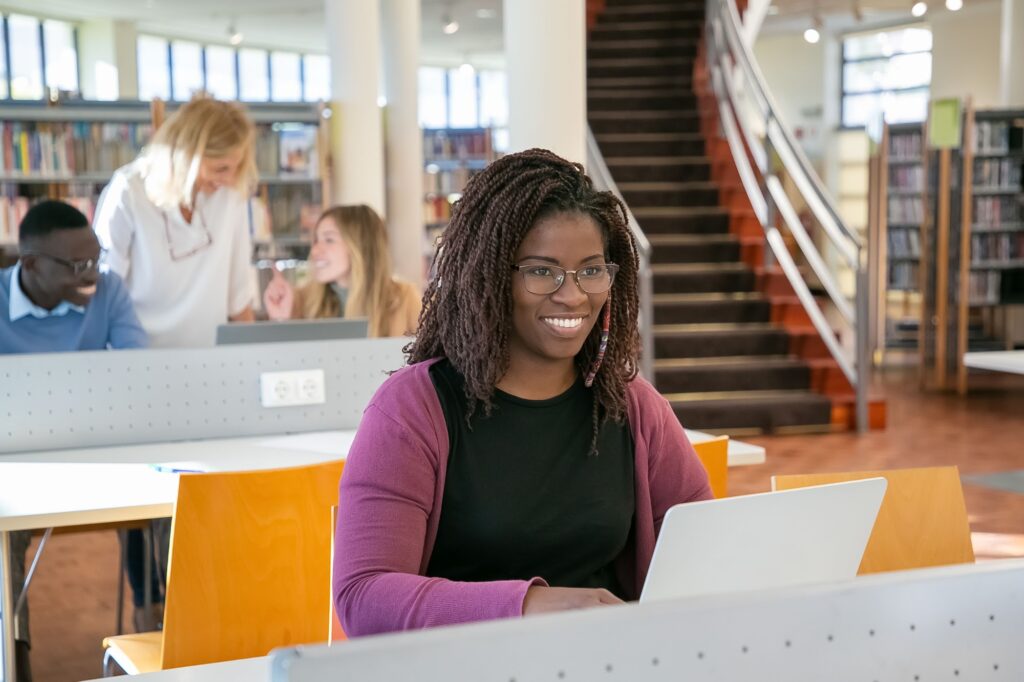
Students are not only audiences. They write, photograph, record, design, post, edit, remix, present, publish, and increasingly use digital and artificial-intelligence tools to assist with creating content. Those activities create opportunities for learning—and responsibility. Student creators can consider the accuracy of information they use, the quality of their sources, the way people are represented, the context surrounding images and quotations, the needs of their audience, and the possible consequences of publishing or sharing a message. Media creation therefore becomes part of media literacy itself.
For Educators
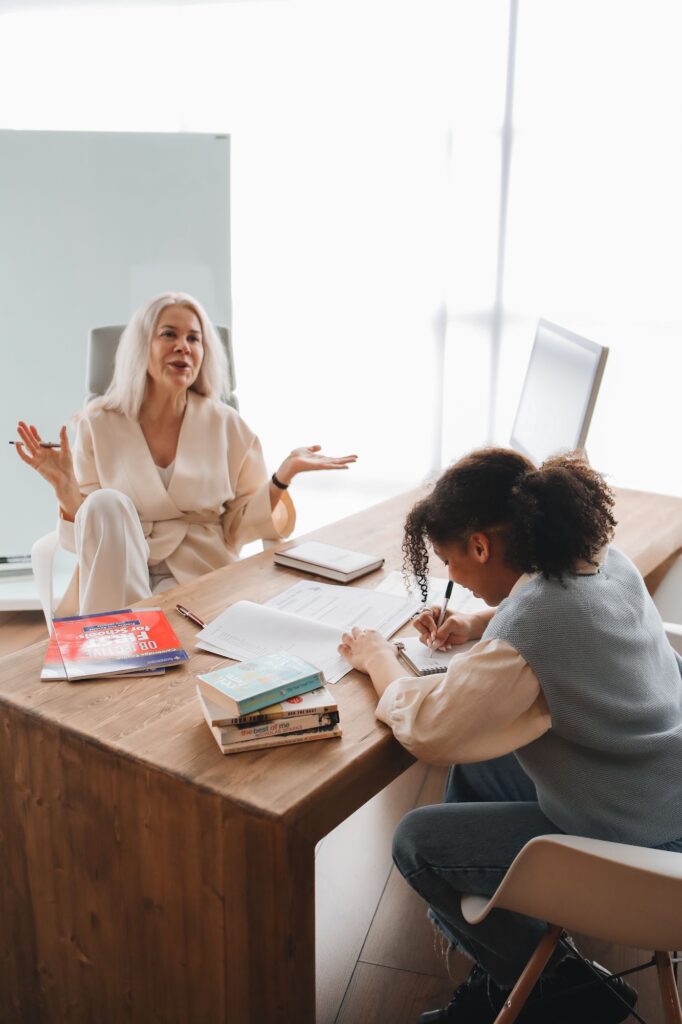
Educators can help students develop media-literacy skills without telling them what conclusions they must reach. The educator's role can include helping learners formulate useful questions, locate and compare sources, distinguish evidence from assertion, identify context, examine representation, recognize uncertainty, create responsibly, and explain the reasoning behind their conclusions. This makes media literacy compatible with inquiry-based learning. The classroom becomes a place where students can practice not only finding answers, but also determining what makes an answer well supported.
Media Literacy Across Subjects
Media literacy does not have to belong to a single course. In English and language arts, students can examine narrative, rhetoric, authorship, audience, and representation. In history and social studies, they can evaluate primary and secondary sources, context, perspective, evidence, and competing interpretations. In science, they can examine evidence, scientific claims, data presentation, uncertainty, and the communication of research. In the arts, students can explore visual communication, creative choices, representation, and audience. In journalism and student media, they can practice research, verification, interviewing, editing, attribution, ethical representation, publication, and accountability. Across disciplines, the particular questions may change while the underlying habits of inquiry remain useful.
The DIMLE Learning Cycle in Education
The DIMLE Learning Cycle provides one framework for organizing that inquiry:
- Observe
- Question
- Analyze
- Evaluate
- Interpret
- Create
- Reflect
An educator might begin with a photograph, article, advertisement, video, historical document, social media post, or AI-generated response. Students can observe what is present, develop questions, analyze construction and evidence, evaluate sources, interpret the message in context, create a response or their own media, and reflect on what they learned. The process is flexible rather than linear. Students and educators can return to earlier questions whenever new evidence or understanding requires reconsideration.
AI in the Learning Environment
Artificial intelligence adds new questions to media literacy education, but it does not eliminate the old ones. Students using AI-generated information still need to consider sources, evidence, accuracy, context, representation, authorship, and responsibility. Educators can help students move beyond asking only, “Can AI do this?” toward questions such as: What role should this tool have in the learning process? How can its output be evaluated? What needs independent verification? What should the learner still understand and be able to explain? Who remains responsible for the final work? DIMLE approaches these questions through media literacy and thoughtful human judgment rather than treating technology itself as the educational objective.
Resources for Teaching and Learning
DIMLE is developing educational resources that can support media-literacy learning across different ages and educational settings. These resources are intended to help learners and educators explore media through questioning, evidence, context, creation, and reflection while allowing educators to adapt materials to the needs of their own classrooms and communities. As DIMLE's resource collection develops, visitors will be able to explore DIMLE-created materials alongside clearly identified external educational resources.
Learning Without Predetermined Conclusions
Media literacy education works best when inquiry remains genuine. Students should be able to ask difficult questions, examine competing evidence, recognize uncertainty, reconsider initial assumptions, and explain how they reached their conclusions. Different learners may examine the same media message and arrive at different interpretations. The educational objective is not uniformity of opinion. It is the development of thoughtful, evidence-informed judgment and responsible communication.