Learning Across Generations
Media literacy is important at every stage of life, but the questions and learning experiences should reflect the learner. DIMLE's educational work is designed to support learning across generations—from younger students beginning to recognize how messages are created to adults navigating complex digital and information environments. This lifelong-learning approach recognizes that media literacy does not end with graduation. New technologies, platforms, communication practices, and information challenges continue to emerge throughout our lives.
Students & Educators
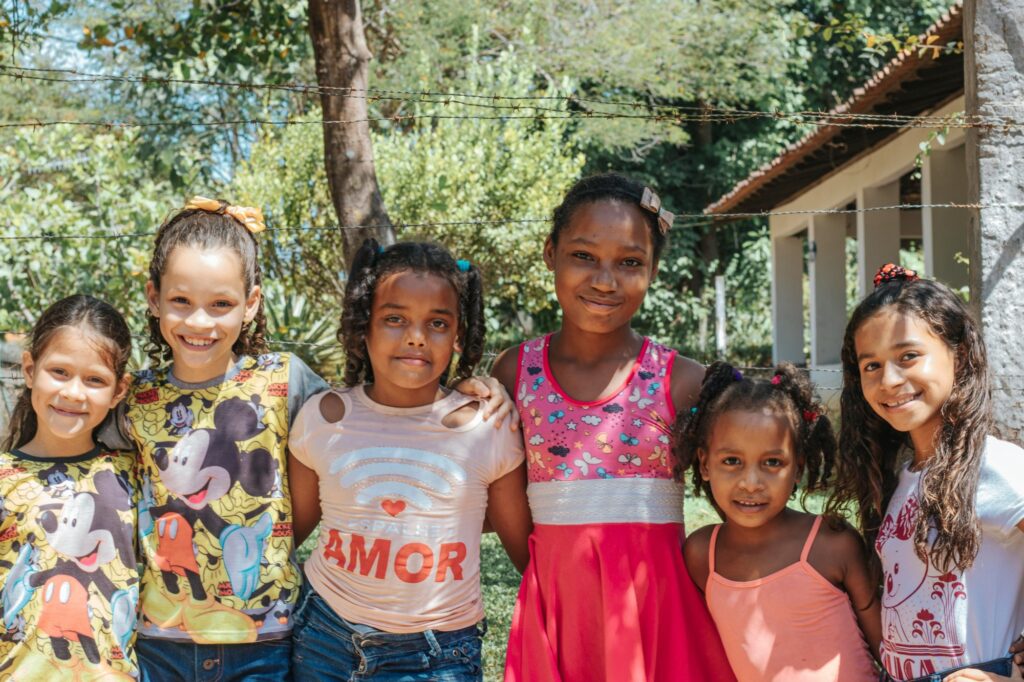
Schools and colleges provide important environments for developing media-literacy habits.
Students
DIMLE is developing resources that can support students as they learn to examine sources, evidence, purpose, audience, representation, context, and media construction. Educational materials can also help students understand their responsibilities when they become creators and distributors of media themselves.
Educators
For educators, DIMLE seeks to provide resources that can support inquiry, discussion, analysis, creation, and reflection without requiring students to arrive at predetermined conclusions.
Community Learning
Media literacy also happens outside the classroom. Libraries, community organizations, families, civic institutions, and other community settings can provide valuable opportunities for people to examine the media and information issues they encounter in everyday life. DIMLE seeks to support community-based media literacy through educational resources, learning opportunities, and partnerships that can be adapted to different audiences and settings.
Lifelong Media Literacy
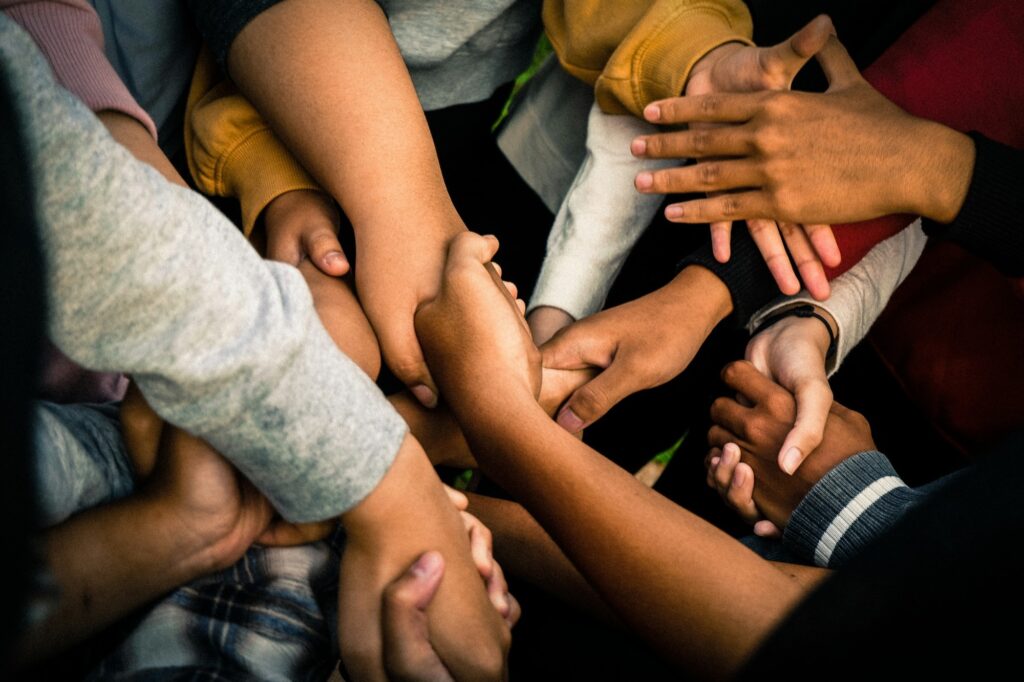
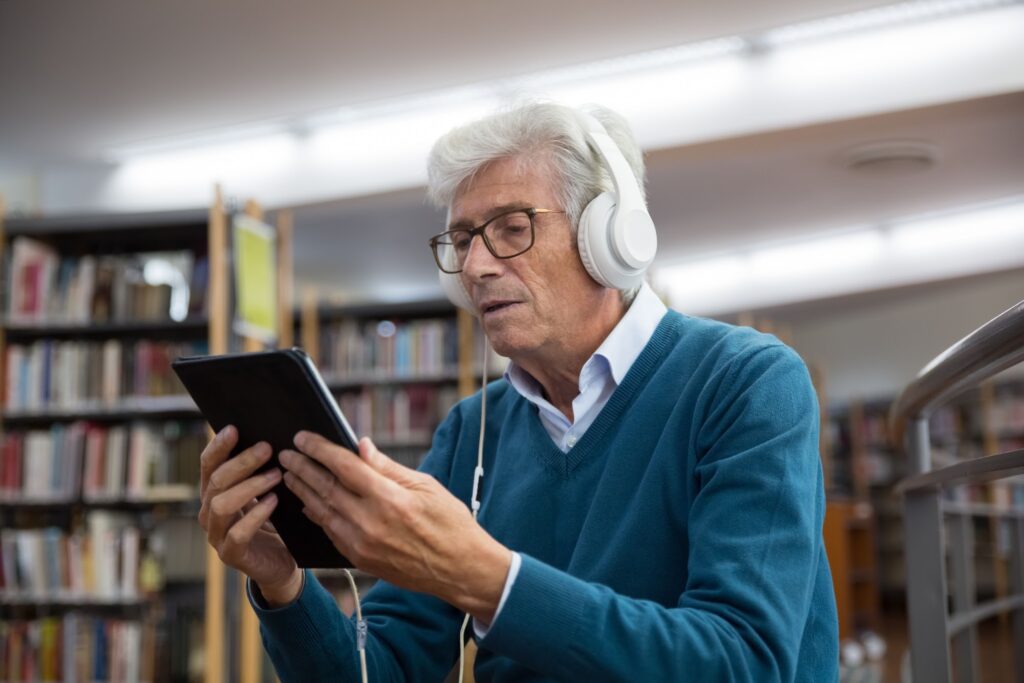
Adults encounter media while making decisions about their families, finances, work, communities, health, education, and civic lives. Older adults may also encounter rapidly changing platforms, communication practices, digital services, and emerging technologies that differ considerably from the media environments with which they began. DIMLE's lifelong-learning approach recognizes that people bring valuable experience to media literacy while also benefiting from opportunities to develop new skills and perspectives. Media literacy is not remedial education. It is continuing education for participation in a changing communication environment.
Learning Through Inquiry
Across audiences and settings, DIMLE emphasizes active inquiry rather than passive instruction. Learners are encouraged to observe carefully, ask questions, analyze how messages are constructed, evaluate evidence, interpret information in context, create responsibly, and reflect on their own conclusions. This approach is represented through the DIMLE Learning Cycle: Observe → Question → Analyze → Evaluate → Interpret → Create → Reflect The cycle can be adapted to different ages, subjects, media formats, and learning environments.
AI and Emerging Media Education
Artificial intelligence is becoming part of the environment in which people create and encounter media. DIMLE approaches AI education from a media-literacy perspective. Rather than treating AI as a separate replacement for established literacy skills, we focus on questions that connect emerging technologies with longstanding responsibilities involving sources, evidence, authorship, representation, context, transparency, verification, and human judgment. DIMLE is developing educational resources to help people examine AI-generated and AI-assisted media thoughtfully and responsibly.
Resources for Learning
Educational resources can make media literacy easier to explore independently, in classrooms, or through community learning. DIMLE's developing resource collection is intended to bring together original educational materials and carefully selected external resources covering media-literacy concepts, practical inquiry, teaching and learning, emerging media, and related topics. External materials will be identified clearly so visitors can distinguish DIMLE-created resources from resources produced by other organizations.
Education Through Partnership
No single organization can meet every media-literacy need. DIMLE welcomes opportunities to explore collaboration with schools, colleges and universities, libraries, community organizations, media organizations, educators, researchers, and others interested in expanding access to thoughtful media literacy education. Partnerships may create opportunities to share knowledge, develop resources, support community learning, and respond to emerging educational needs.