Observe
Begin by paying attention. What do you actually see, hear, read, or experience? Before deciding what a message means, notice its words, images, sounds, sources, format, setting, and other important features. Observation creates space between encountering a message and reaching a conclusion. Ask: What is here? What do I notice?
Question
Curiosity turns observation into inquiry. Who or what created the message? Why was it created? Who is the intended audience? What does the creator want the audience to know, feel, believe, or do? Good questions also identify what we do not yet know. Ask: What do I need to understand before reaching a conclusion?
Analyze
Look more closely at how the message works. Consider its language, images, sound, structure, evidence, sources, design, technology, and methods of distribution. Examine how these elements work together to shape meaning and direct attention. Analysis moves us beyond first impressions. Ask: How has this message been constructed?
Evaluate
Consider the quality and credibility of what you have found. Are the sources identifiable? Does the evidence support the claims? Is important context available? Can significant information be independently verified? Are there reasons to question the message's accuracy, completeness, or representation? Evaluation requires evidence, not simply agreement or disagreement. Ask: What supports this message, and how much confidence should I place in it?
Interpret
Evidence does not interpret itself. Consider what the message means within its social, cultural, historical, technological, and personal context. Think about perspective, representation, assumptions, omissions, and the possibility that different audiences may reasonably understand the same message differently. Interpretation connects evidence with meaning. Ask: What does this message mean, and what context affects that meaning?
Create
Media literacy also involves making and communicating messages responsibly. Creation requires choices about purpose, audience, evidence, language, imagery, attribution, technology, representation, and context. Whether creating a classroom project, social media post, video, article, presentation, podcast, or AI-assisted content, the creator becomes responsible for those choices. Ask: What am I communicating, and what responsibilities come with creating it?
Reflect
Consider both the message and your own thinking. Did new evidence change your interpretation? Did assumptions influence your first reaction? What remains uncertain? What could you investigate further? If you created the message, what would you change after reviewing it? Reflection turns an individual media encounter into an opportunity for continued learning. Ask: What have I learned, and what should I reconsider?
Thoughtful Human Judgment
The Learning Cycle leads toward something no checklist can provide automatically: thoughtful human judgment. Media literacy does not require everyone to reach the same conclusion. People bring different experiences, knowledge, perspectives, and questions to media. DIMLE's approach instead emphasizes the quality of the process used to reach a conclusion: attention to evidence, willingness to ask questions, consideration of context, openness to reconsideration, and responsibility for the consequences of communication. The goal is not agreement. The goal is thoughtful, evidence-informed judgment.
An Approach That Can Grow With You
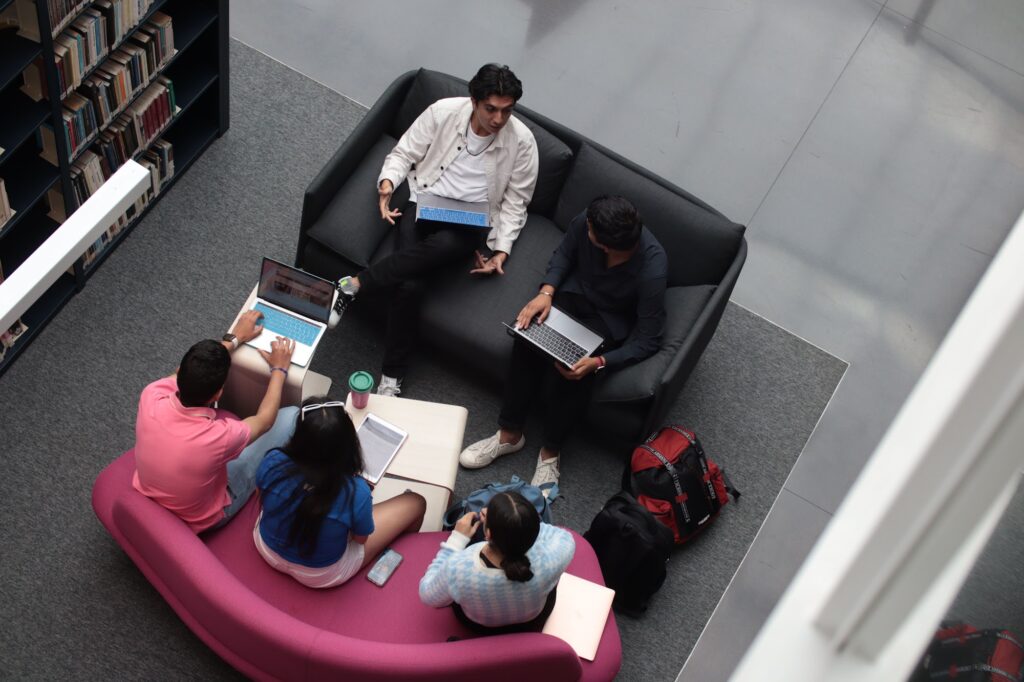
The Learning Cycle can be adapted to different ages, learning environments, media formats, and levels of experience. A young learner might begin by asking who created an advertisement and what it wants the audience to do. A college student might examine evidence and representation in a news report. A family might discuss a social media post together. A community group might compare competing sources. An educator might use the cycle to structure classroom inquiry. An adult encountering AI-generated information might move repeatedly between questioning, verification, interpretation, and reflection. The questions become more sophisticated as the situation becomes more complex, but the underlying habit remains the same: Observe carefully. Question thoughtfully. Analyze closely. Evaluate evidence. Interpret in context. Create responsibly. Reflect continuously.
Explore Programs & Education Explore Media Literacy Resources